Noticing the ‘Small and the Ordinary’: Exploring Teachers’ and Children’s Understandings of Participation in Education for Children Aged 3–7
By Dr Patrizio de Rossi, Dr Sarah Chicken, Dr Samyia Ambreen, and the Children’s Participation in Schools project team.
This blog highlights themes from our BECERA 2026 presentation, which forms part of the ESRC-funded Children’s Participation in Schools (CPiS) project.
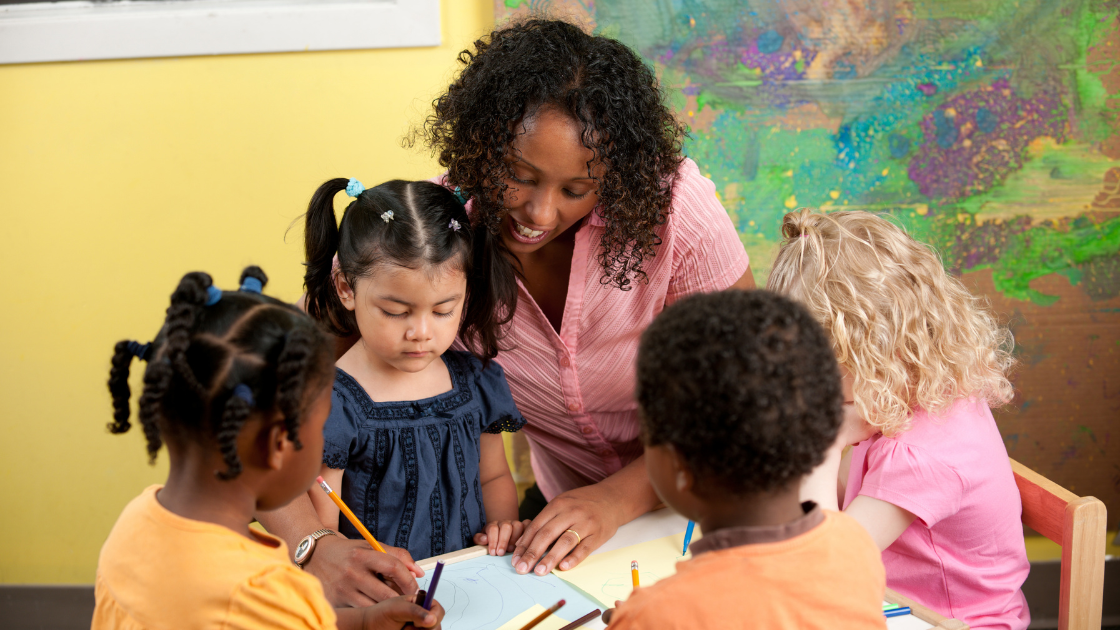
The project has taken place in Wales, the first UK nation to embed the UN Convention on the Rights of the Child into domestic law and later to reinforce this commitment through the Curriculum and Assessment (Wales) Act 2021, which places children’s voices at the centre of a purpose-led curriculum, creating a particularly ambitious context for advancing children’s participative rights in education. The project explores how participative rights can be embedded in everyday teaching and learning so that children’s perspectives actively shape pedagogy, curriculum making, and school culture. It draws on a comprehensive analysis of Welsh educational policy (1999–2023) and collaborative empirical work with practitioners, young children (3-7 year olds), ITE students and teacher educators through interviews, dialogic workshops and classroom projects. In this blog, we focus only on data relating to children and practitioners.
Our methodological stance is informed by a rights-based approach (Bessell et al., 2017), positioning children as rights holders and co-constructors of knowledge. Reggio Emilia principles also underpin our practice, emphasising the child as capable, relational, and expressive across “a hundred languages” (Malaguzzi et al., 1998).
Reflecting on previous research on participation
Research consistently highlights a gap between policy ambition and classroom practices that embed children’s participative rights (Chicken & Tyrie, 2023; Murphy et al., 2022). In Wales and internationally, studies demonstrate variability in how teachers conceptualise children’s participation, shaped by their constructions of childhood, their educational philosophies and wider expectations about schooling (Waters-Davies et al., 2024).
Children’s voices, particularly for 3- to 7-year-olds, remain underrepresented in research about children’s participation, despite UNCRC Article 12 emphasising their right to be heard in matters affecting them. Correia et al.’s (2019) systematic review shows that opportunities for meaningful influence in early childhood settings are still limited and context dependent. Our project’s (CPiS) policy analysis also confirms this pattern: Wales has a strong rights-led framework, but implementation guidance is uneven, often defaulting to school councils rather than to everyday pedagogical practices that demonstrate influence as well as expression (Murphy et al., 2024). Studies often capture either children’s experiences or adult perceptions—few examine both together, despite evidence that children’s and adults’ views of “meaningful participation” can differ (Templeton et al., 2023). This is the gap that we sought to address.
Reggio- influenced literature complements this by emphasising children’s participation as an ethic of co-construction that thrives when adults slow down, listen deeply, and design environments where children’s ideas can meaningfully shape learning (Giamminuti et al., 2024).
Conceptualising participation through the small and the ordinary
In this project, as our data suggests, ‘small and the ordinary’ refers to the everyday routines, interactions, and environmental conditions of classroom life that matter to children aged 3–7. While these aspects are often taken for granted, they are central to how children experience their participative rights in practice. In line with the UN Convention on the Rights of the Child (UNCRC), particularly Article 12, participation is understood not as an occasional opportunity to speak, but as children’s right to have their views taken seriously in matters that affect them.
These aspects of school life are ordinary in form but significant in meaning. They shape whether children feel trusted, respected, and recognised as rights holders. Rather than being minor or trivial, they are everyday sites where children’s participation is enacted, negotiated, or constrained through routines, relationships, and environments.
Small and ordinary in practice: what children told us
Across focus groups with 91 children aged 3–7 across Wales, children articulated a clear desire to have influence over aspects of school life that directly affect them. Their accounts illustrate participation as something lived through everyday experiences, rather than something confined to formal structures such as school councils.
Choosing where and how to sit
Children wanted to decide where to sit, what to sit on, and who to sit beside. While they recognised that behaviour or wellbeing sometimes shaped these arrangements, they consistently valued being trusted to make choices wherever possible.
Choosing whether to wear a coat outside
One child’s drawing showed that he would wear a coat in the rain, but the key point was that he wanted to make that decision himself. This highlights participation as an everyday enactment of bodily autonomy and agency, rather than compliance with adult-imposed routines.
Accessing quiet spaces independently
Children spoke about wanting access to quiet areas without adult mediation, particularly when classrooms felt overwhelming or when they experienced headaches. Control over lighting and temperature also featured in their accounts, illustrating how environmental conditions shape wellbeing and agency.
Environmental cues of safety and predictability
Fire alarms appeared repeatedly in children’s drawings, reminding us that feelings of safety, predictability, and consistency form part of how children experience participation in school.
Choice within learning
Children expressed preferences such as wanting more time for maths or more outdoor play. While these preferences extend beyond everyday routines, they reinforce a core message: children value having influence over the activities and rhythms that shape their day.
Limited everyday democratic practices
Younger children described few opportunities for routine democratic practices such as voting or group decision-making. Some felt they lacked the “authority” to be listened to, highlighting a gap between rights-based policy aspirations and everyday classroom experience.
Why this matters for children’s participative rights
Understanding participation through the small and the ordinary draws attention to how children aged 3–7 experience their rights in everyday school life. These ordinary moments are often where children learn whether their views matter and whether they are recognised as active participants in their education.
Small and ordinary in practice: what practitioners told us
While the concept of ‘small and the ordinary’ was initially foregrounded through children’s accounts, we later noticed the same emphasis emerging strongly within the practitioners’ data. Practitioners’ reflections revealed how participation was understood and enacted through everyday relational and environmental practices, rather than through formal structures alone.
At the outset, practitioners often described children’s participation as following children’s interests, typically at the beginning of topics or through democratic forums such as school councils and pupil voice groups. Following their involvement in a year- long phase of the project through dialogic workshops, practitioners began to reflect on how participation could be embedded into ordinary moments of classroom life and facilitated through small changes.
In particular, they highlighted:
Relational positioning within the classroom
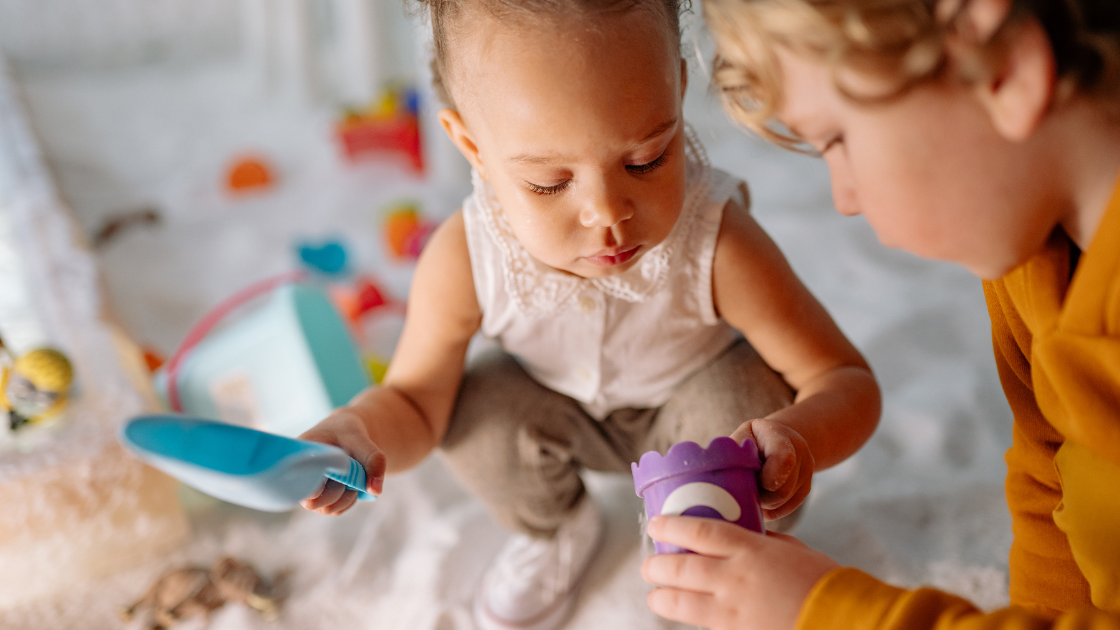
Practitioners spoke about where and how they positioned themselves in the classroom, for example choosing to sit on the floor alongside children rather than standing over them. These seemingly ordinary choices were described as important for building connection, reducing hierarchy, and creating a sense of shared experience.
Valuing relationships and lived experience
Practitioners described the importance of sharing appropriate aspects of their own home lives and taking children’s experiences beyond school seriously. This relational openness was seen as supporting trust, belonging, and children’s confidence to express their views.
Continuity of provision and responsiveness
Valuing continuous provision was identified as another ordinary but significant aspect of participation, allowing children to return to ideas, extend their thinking, and experience a sense of ownership over learning spaces and materials.
Rethinking planning and pace
Rather than working towards fixed, adult-designed outcomes, practitioners described inviting children to influence how learning unfolded, including how tasks were approached and completed. This was closely linked to the importance of slowing down—stepping back, listening carefully, and responding to children’s interests and ideas as they emerged.
Why small and ordinary matters
Taken together, these examples show that children’s participation develops through everyday interactions and conditions—the ordinary moments that communicate whether children’s perspectives carry weight. Practitioners described these approaches as feasible and sustainable, and often as the starting point for broader shifts in how they understood participatory pedagogy and the image of the child.
The small and the ordinary are also deeply relational. They require practitioners to attend to pace, positioning, and relationships, creating space for children’s perspectives to shape what happens next. This aligns with ideas of slow pedagogy (Clarke, 2022), which emphasises time, rhythm, and attuned dialogue as foundations for meaningful learning.
When enacted consistently, these ordinary moments accumulate into cultural change: children feel heard, practitioners see new possibilities, and classrooms become more democratic and child-centred.
Implications for policy and practice
Move from structures to embedded practice
Welsh policy promotes learning about, through, and for human rights, yet greater attention is needed to how participatory rights are realised within everyday classroom routines. Shifting the focus from formal structures to embedded practice highlights how participation is enacted through ordinary interactions, relationships, and environments.
Strengthen rights-based professional learning
Practitioners need collaborative, reflective, enquiry-based opportunities to explore and refine participatory approaches in practice. Professional learning should support educators to recognise and work with participation as lived and relational, underpinned by guidance aligned with the Curriculum for Wales (CfW).
Centre children in evaluation
Children’s perspectives should play a central role in the ongoing evaluation of participatory practice. Attending to how children experience everyday routines, relationships, and environments provides critical insight into whether participatory rights are being meaningfully realised.
Closing thought
If children’s participation is understood as a right rather than a reward, then the small and the ordinary take on real significance. These everyday moments and conditions—often overlooked—are where children learn whether their views carry weight and whether they are recognised as rights holders. In Wales, the policy scaffolding is already in place; the opportunity now lies in continuing to cultivate these ordinary, relational, child-centred practices that transform participation from an aspiration into a lived reality.
If you want to know more about Children’s Participation in School project

Join our network

Visit our website
References:
Bessell, S. (2015). Rights-based Research with Children: Principles and Practice. In Methodological Approaches and Methods in Practice, Volume 2, in Skelton, T. (Editor-in-Chief) Geographies of Children and Young People, edited by Ruth Evans and Louise Holt. Singapore: Springer: 1-15
Chicken, S., & Tyrie, J. (2023). Can you Hear me? Problematising the Enactment of UNCRC Article 12 in Welsh Early Years Classrooms: Exploring the Challenges of “Children’s Voice”. The International Journal of Children's Rights, 31(2), 301-325. https://doi.org/10.1163/15718182-31010001.
Correia, N., Camilo, C., Aguiar, C., & Amaro, F. (2019). Children’s Right to Participate in Early Childhood Education Settings: A Systematic Review. Children and Youth Services Review, 100, 76–88.
Giamminuti, S., Cagliari, P., Giudici, C. & Strozzi, P. (2023). The Role of the Pedagogista in Reggio Emilia: Voices and Ideas for a Dialectic Educational Experience London: Routledge.
Malaguzzi, L., Edwards, C., Gandini, L. and Forman, G., (1998). The Hundred Languages of Children; The Reggio Emilia Approach-Advanced Reflections. History, ideas, and basic philosophy: An interview with Lella Gandini by Loris Malaguzzi, pp.49-98.
Murphy, A., Tyrie, J., Waters-Davies, J., Chicken, S., & Clement, J. (2022). Foundation Phase teachers' understandings and enactment of participation in school settings in Wales. In Inclusive Pedagogies for Early Childhood Education: Respecting and Responding to Differences in Learning, 111.
Murphy, A., Roberts, L., Williams, J., Chicken, S., Clement, J., Waters-Davies, J., & Tyrie, J. (2024). Participative rights in Welsh primary schools: Unpicking the policy rhetoric. Policy Futures in Education, 0(0) https://doi.org/10.1177/14782103241257281 Wales Government (2011) Rights of Children and Young Persons (Wales) Measure 2011 | Law Wales Wales Government (2021) Curriculum and Assessment (Wales) Act 2021 | Law Wales
Templeton, M., Cuevas-Parra, P. & Lundy, L. (2023) ‘Children’s participation in international fora: The experiences and perspectives of children and adults’, Children & Society, 37(3), pp. 786–805. DOI: 10.1111/chso.12629
Waters-Davies, J., Murphy, A., Chicken, S., Tyrie, J., & Clement, J. (2024). Constructing child participation in early years classroom: An exploration from Wales. Children & Society, 00, 1-18. DOI: 10.1111/chso.12848