By Dr Meera Oke & Busra Gultekin
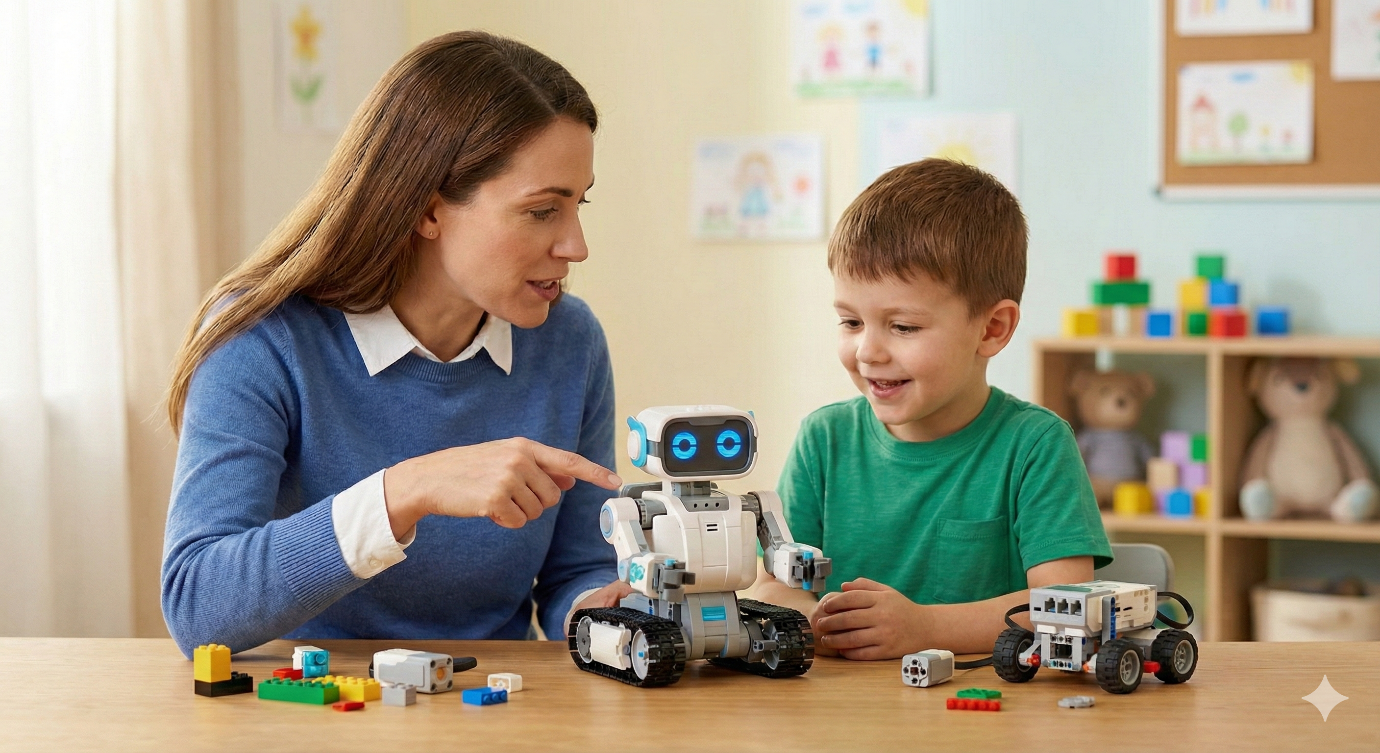
Children today are growing up in a digital-first world. Their digital footprint exists even before they are born! In Ireland, the Literacy, Numeracy and Digital Literacy Strategy 2024–2033 acknowledges that digital competence is a foundation for every learner, starting from birth. But where does this leave educators? How confident and competent are they in empowering our youngest citizens through these digital landscapes?
This is exactly what our project, DigiLEP (Digital Literacy in Early Childhood Education and Care Practice), supported by Pobal, Department of Children Disability and Equality (DCDE) Ireland, set out to explore.
Why This Research Matters Now?
While recent international reports such as OECD (2025) highlight benefits of digital tools which can boost creativity and STEM skills, they also raise valid concerns about passive screen time and digital risks. In Ireland, although the national strategy sets a high bar for digital literacy from birth, a confidence gap remains among many educators.
DigiLEP addresses this specific gap by using Irish and international research to explore digital competencies of ECEC educators in Ireland and how they use digital technology in their daily practice. The project outcomes aim to indicate what support may be needed for educators to access and use digital tools effectively and equitably for all children.
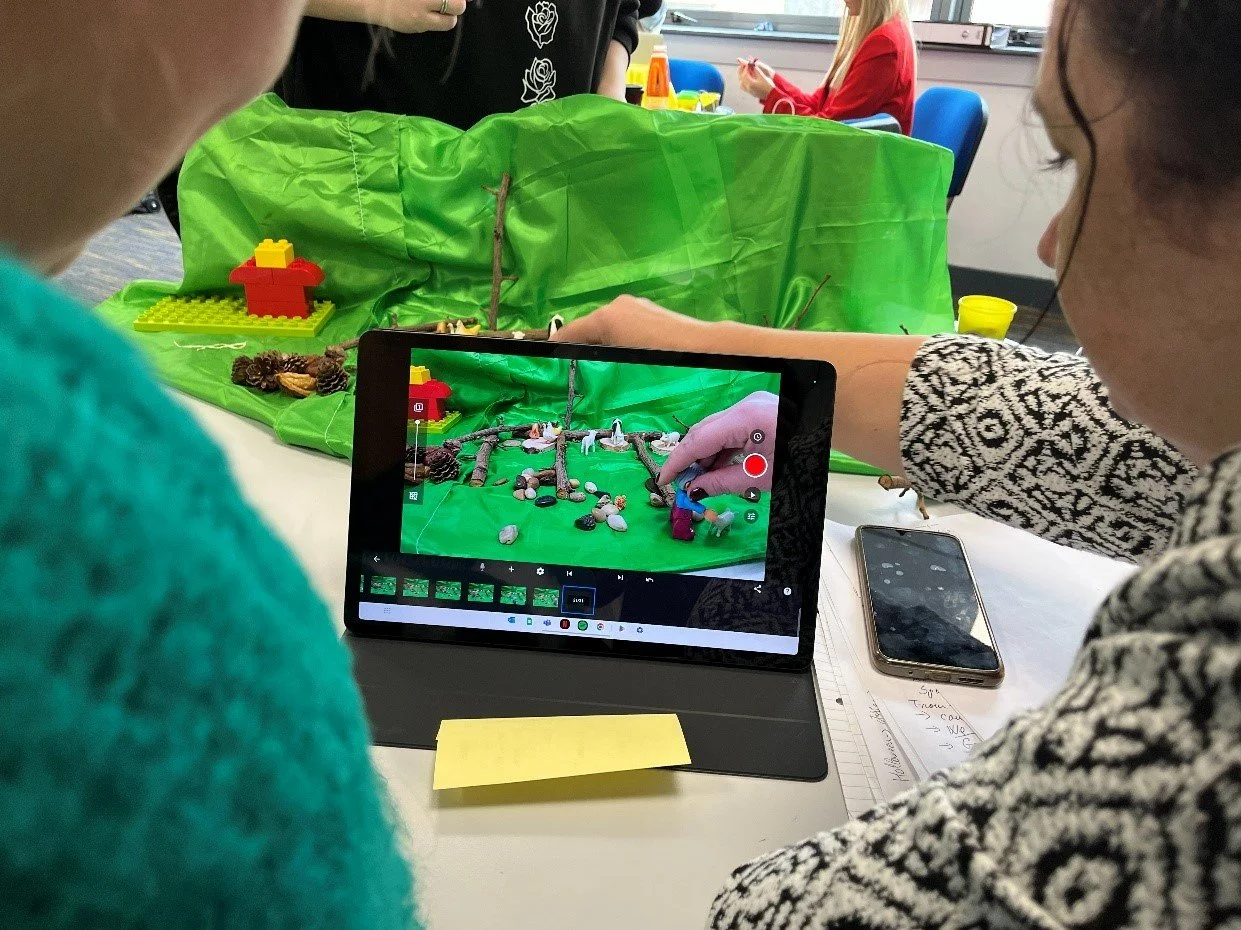
What We Did: The DigiLEP Approach
DigiLEP employs a mixed-methods, pragmatic design combining a quantitative and qualitative approach.
Quantitative Phase: We applied an adapted version of the SELFIEforTEACHERS tool (Economou, 2023a, 2023b) to assess the digital competencies of over 200 ECEC educators representing all counties across Ireland.
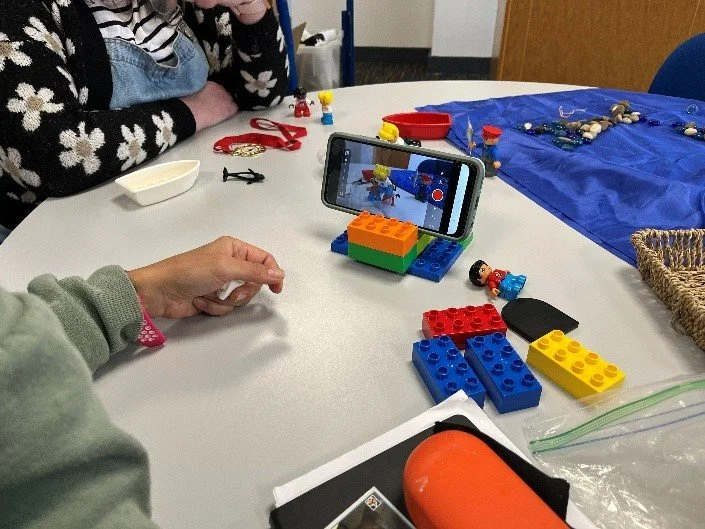
Qualitative Phase: We conducted focus group discussions with a volunteer small sample of educators. These sessions allowed us to explore the lived experience and the everyday challenges of digital technologies in practice.
A Sneak Peek at Our Findings
Our preliminary analysis reveals a fascinating mixed bag of feelings:
The Confidence Highs: Educators show strong engagement in using digital tools for administrative tasks and documenting learning journeys, often driven by regulatory requirements.
The Pedagogical Gaps: There is a clear call for more continuous professional development (CPD) in using technology for pedagogical purposes, such as using robotic kits for coding or empowering and facilitating children’s digital literacy to protect themselves from risks.
Acknowledgement: This project was supported by Supported by Department of Children Disability Equality – Support organisation Grants for 2025.
Join Us at BECERA 2026!
Are you curious about how we can safely and meaningfully integrate digital technologies and digitally supported play into ECEC settings? Join our presentation titled “Digital competency and capacities of Irish ECEC educators in practice” at BECERA 2026. We look forward to connecting with fellow researchers to discuss a supportive policy framework for the digital future of ECEC.
Connect with us:
Dr Meera Oke, Principal Investigator, National College of Ireland
Busra Gultekin, Research Assistant, National College of Ireland
Learn more about DigiLEP: https://www.ncirl.ie/School-of-Business-and-Social-Sciences-Research/DigiLEP
Links to some resources
Professors at Play. (2024). Professors at Play. https://professorsatplay.org/
Play Story Press. (2024). Play Story Press. https://playstorypress.org/
Both websites and their content are licensed under a Creative Commons Attribution–NonCommercial–NoDerivatives 4.0 International License.
References
Bohnert, M., & Gracia, P. (2021). Emerging digital generations? Impacts of child digital use on mental and socioemotional well-being across two cohorts in Ireland, 2007–2018. Child Indicators Research, 14(2), 629–659. https://doi.org/10.1007/s12187-020-09767-z
Department of Education and Skills. (2020). Digital learning 2020: Reporting on practice in Early Learning and Care, primary and post-primary contexts. Government of Ireland. https://assets.gov.ie/static/documents/digital-learning-2020-reporting-on-practice-in-early-learning-and-care-primary-and-pos.pdf
Economou, A. (2023a). SELFIEforTEACHERS: Designing and developing a self-reflection tool for teachers’ digital competence. Publications Office of the European Union. https://doi.org/10.2760/561258
Economou, A. (2023b). SELFIEforTEACHERS toolkit: Using SELFIEforTEACHERS – Supporting teachers in building their digital competence. Publications Office of the European Union. https://doi.org/10.2760/626409
Government of Ireland. (2024). Ireland’s Literacy, Numeracy and Digital Literacy Strategy 2024–2033: Every Learner from Birth to Young Adulthood. https://assets.gov.ie/static/documents/irelands-literacy-numeracy-and-digital-literacy-strategy-2024-2033-every-learner-from-.pdf
OECD. (2025). How’s life for children in the digital age? OECD Publishing. https://doi.org/10.1787/0854b900-en